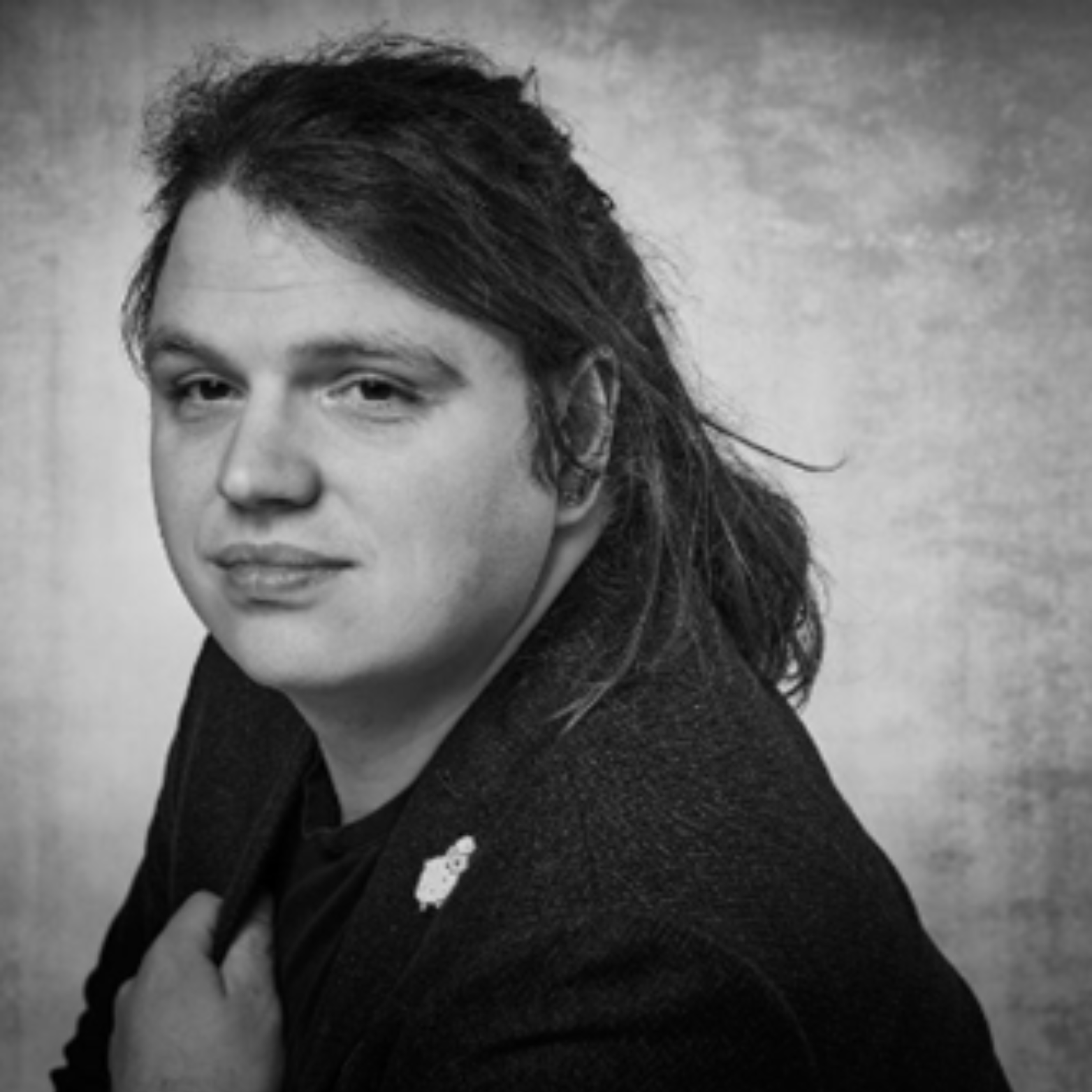
Kristian Thijsses has developed and applied coarse-grained simulation algorithms on dense active biological matter in complex surroundings, often in close collaboration with experimentalists. He did his Ph.D. in Oxford, where he studied the control of dense micro swimmers through static environments using continuum models.  Afterwards, he did a Postdoc in Cambridge, where he used discrete particle-based modelling to describe configural changes pliable media. He was then awarded an Marie-Curie Independent Fellowship at the NBIA to simulate collective dynamics in simple pliable environments, where he currently investigates the transient behaviours of Eukaryotic Cells and planktonic cells in a variety of different environments. He aims to push the field of active  matter to study the transient properties of soft, out-of-equilibrium materials  in adaptable media to understand the mechanical feedback responses of biological materials and eventually design new materials mimicking biological processes.

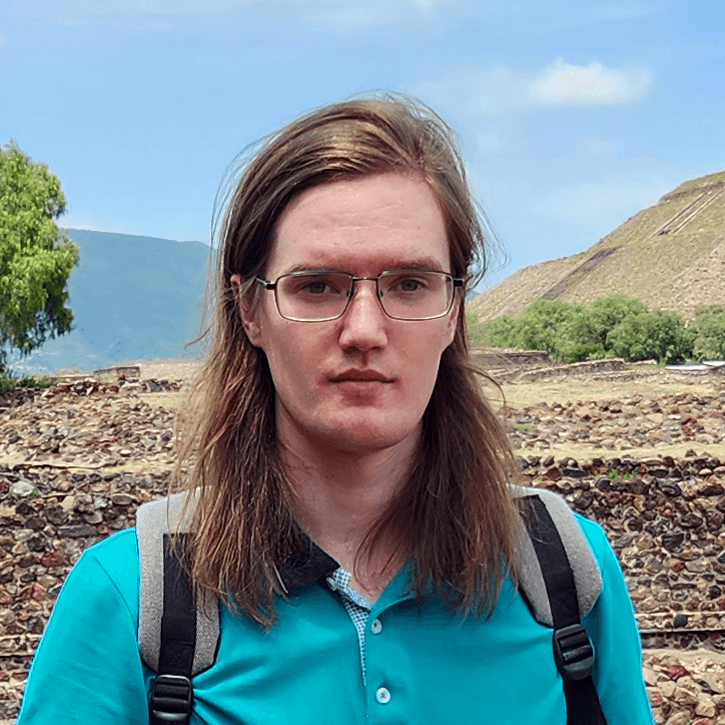
Timofey Kozhukhov is a postdoctoral researcher working with Dr. Kristian Thijssen. During his PhD at the University of Edinburgh, Tim worked on developing algorithms for simulating active nematic liquid crystals and characterising their behaviour. His current research focusses on advancing simulation tools for active fluids, with particular emphasis on passive and active solutes as well as complex boundaries. This work enables in-depth studies of biological mechanoreciprocity.

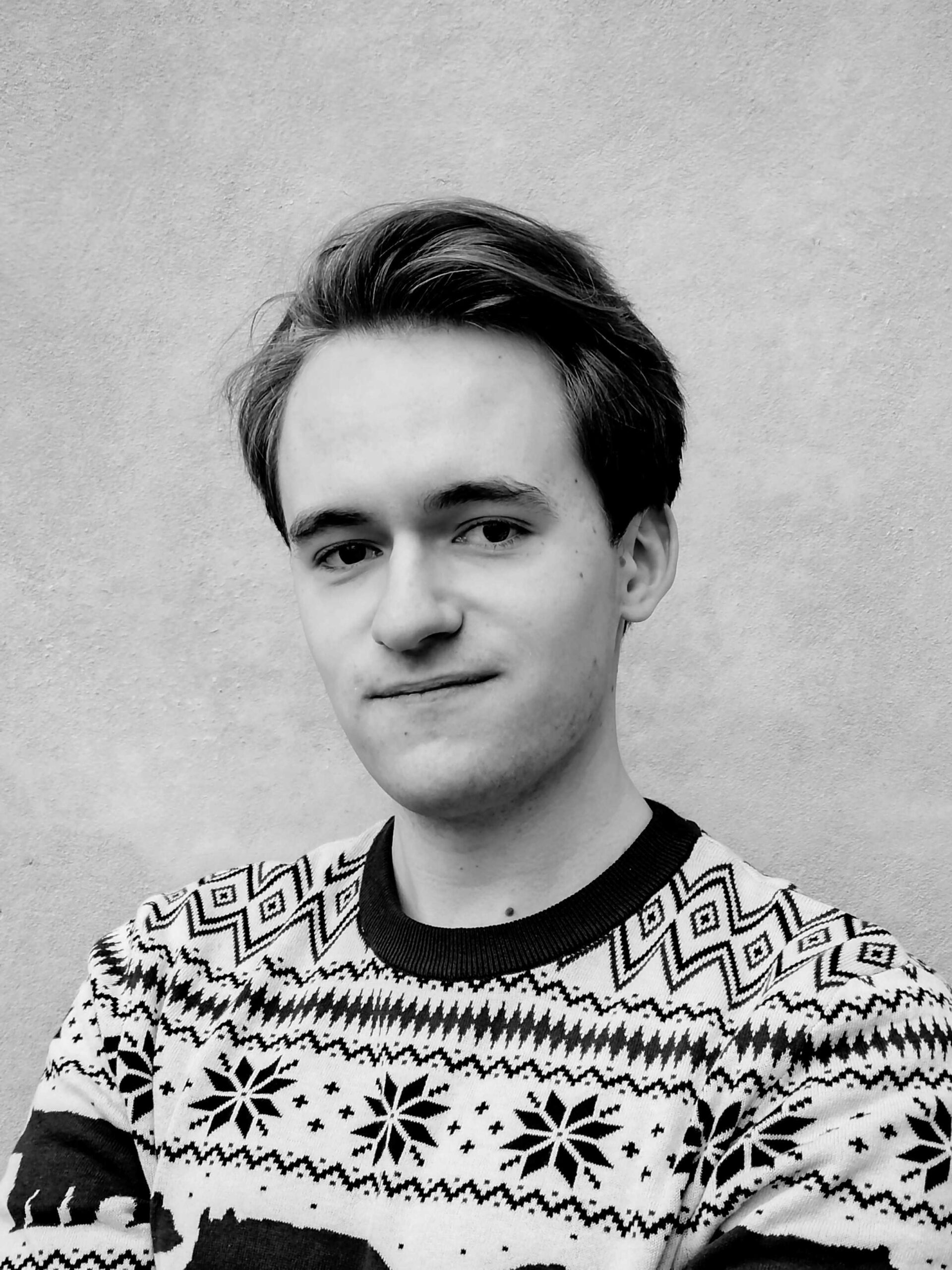
Jakub Trzaska is a Ph.D. student at NBI under the supervision of Dr Kristian Thijssen. He received his master of theoretical physics at the University of Warsaw. work. In his PhD, he is currently investigating how microswimmers can exhibit complex collective behaviour under the supervision of Kristian Thijssen. In particular, he is interested in how heterogeneous bacterial flows in heterogeneous porous media can interact with each other to reveal possible mechanoreciprocity between the swimmers and the medium.

 
 
Michela Rocchetti is a PhD student in the FLOCK Group led by Dr. Kristian Thijssen. She holds a Master’s degree in Physics of Complex Systems from the Polytechnic Institute of Turin and has two years of professional experience as a software engineer working on radar systems. Her current research focuses on the computational modelling of microswimmers and their interaction with the surrounding fluid, with particular emphasis on chirality and emerging dynamics